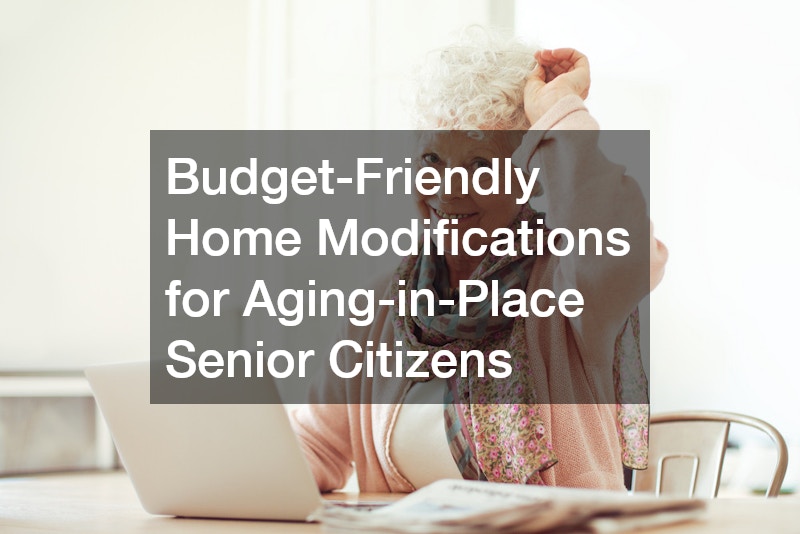
There is an undeniable peace of mind that comes with growing older in the familiar sanctuary of your own home. The walls hold decades of memories, the neighborhood feels like an old friend, and the daily rhythm of life is entirely your own. It is no surprise that the vast majority of older adults express a fierce desire to age in place. Staying put offers a sense of autonomy and emotional stability that no assisted living facility can match.
However, the physical spaces that served us so well in middle age can quietly present unexpected obstacles as our mobility, vision, and balance naturally change. A step that once felt negligible can become a trip hazard; a dimly lit hallway can strain failing eyes; a standard bathtub wall can suddenly feel like an insurmountable barrier. The immediate reaction for many families is to assume that staying at home requires an astronomical budget for full-scale architectural overhauls.
That assumption often leads to unnecessary stress and delayed action. The truth is that adapting a home for long-term independence rarely requires a complete overhaul. By focusing on practical, high-impact modifications that target specific everyday challenges, senior homeowners can dramatically reduce their risk of injury and enhance their daily comfort without draining their retirement savings. Taking a strategic, room-by-room approach allows you to address immediate safety concerns while pacing your budget, turning potential hazard zones into spaces that effortlessly support your independence for years to come.
Overcoming Bathing Hazards with Targeted Upgrades
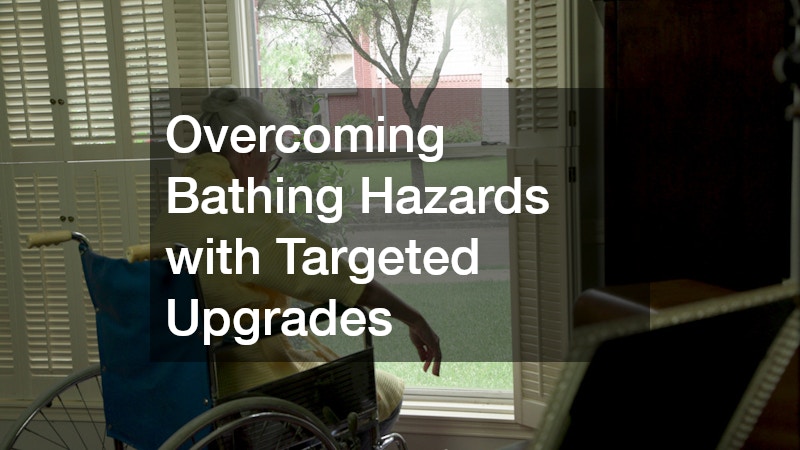
Among all the rooms in a house, the bathroom presents the highest risk for accidental falls. Slick tiles, high tub walls, and smooth surfaces create a perfect storm for slips, particularly when balance or joint flexibility starts to decline. Reimagining this space does not mean you have to rip out the walls and start from scratch. A series of intentional, highly functional adjustments can transform a treacherous bathroom into a secure, accessible environment.
Consider the simple act of stepping into a standard shower-tub combination. Lifting a leg high enough to clear a nineteen-inch tub wall requires both balance and hip mobility—two things that can fluctuate from day to day. A remarkably cost-effective alternative to a complete tear-out is a professional bathtub conversion. Skilled technicians can cut down a section of your existing fiberglass or porcelain tub, fitting it with a low-step insert that creates a walk-in entry for a fraction of the cost of a full remodel. Paired with a sturdy, wall-mounted shower bench and a flexible handheld shower wand, this single change eliminates the need to balance on one leg while surrounded by wet surfaces.
When planning structural shifts in wet areas, the focus should always remain on durability and moisture management. Choosing accessible fixtures is only half the battle; ensuring that water stays contained and drains properly is what protects the underlying structure from water damage and mold growth. Homeowners planning a modern bathroom remodeling effort can benefit greatly from incorporating zero-threshold entryways and solid blocking behind the drywalls during the installation process, ensuring that support bars mounted down the road will hold firm under any weight.
Beyond major fixtures, everyday hardware plays a massive role in maintaining independence. Standard twist knobs on faucets can become painful to operate for hands affected by arthritis. Swapping those fixtures out for smooth, single-lever handles allows water flow and temperature to be adjusted with the nudge of a wrist or palm. Meanwhile, bringing in qualified plumbing services to assess water pressure and install pressure-balancing valves will protect against sudden, dangerous shifts in water temperature that could cause a startle or a scald. Completing these strategic updates creates a space where personal care remains a private, stress-free routine.
Securing Walking Surfaces Across the Living Space
Imagine walking through a house you have lived in for thirty years. You know every squeaky floorboard and every threshold by heart. Yet, as stride length shortens and lifting the feet becomes slightly more difficult, those subtle variations in floor texture and height turn into constant hazards. Falling at home is rarely the result of a grand misstep; it is usually caused by a toe catching the edge of an unsecured rug or a sudden transition from carpet to slick hardwood.
The first step in securing your walking paths involves a deliberate sweep to simplify the terrain. Loose throw rugs, while cozy, are notorious for sliding out from underfoot. If you prefer to keep rugs in certain areas for warmth, secure them firmly with heavy-duty, double-sided acrylic rug tape or replace them entirely with rubber-backed, non-skid runners. Pay close attention to doorway transitions as well. Wide, low-profile aluminum or wooden transition strips can bridge the gap between rooms with differing floor heights, creating a gentle incline rather than a blunt edge that catches footwear.
When evaluating hard surfaces, age-related wear and tear on the building itself can introduce subtle hazards. Over decades, boards can warp, nails can pop up, and protective finishes can wear down into slick, uneven patches. Restoring the integrity of your hardwood floors by securing loose planks, sanding down raised ridges, and applying a slip-resistant matte finish eliminates hidden trip points while preserving the rich, warm character of your living space. Matte finishes are particularly beneficial because they reduce glare, making it easier for eyes with cataracts or reduced depth perception to navigate clearly.
For areas prone to moisture or high foot traffic, such as entryways and kitchens, the surface texture is everything. Upgrading to modern, slip-resistant vinyl plank or textured composite flooring provides a cushioned, durable surface that absorbs impact while offering excellent traction, even when wet. By eliminating physical trip hazards and maintaining predictable floor textures, you allow yourself to move freely and confidently from room to room.
Illuminating Pathways and Modernizing Electrical Access
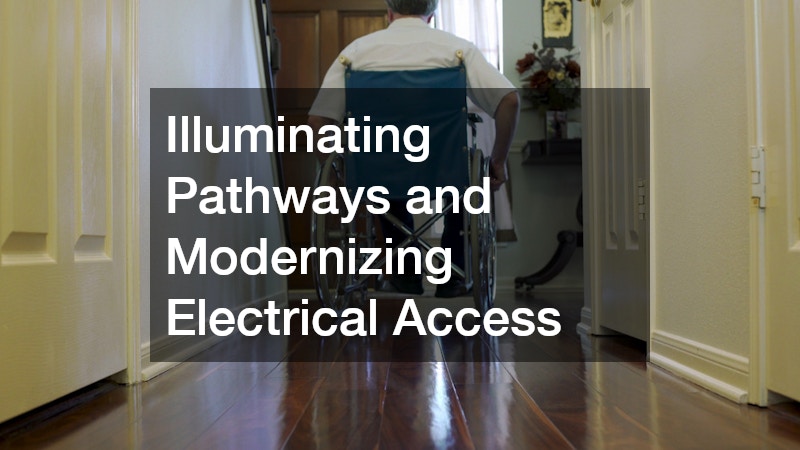
Dim lighting is one of the most underappreciated safety hazards in the home. As human eyes age, the pupils naturally shrink and become less responsive to changes in light, requiring up to three times more illumination to see as clearly as a younger person. A room that feels adequately lit to a visiting family member might feel shadowy and confusing to an older adult.
Addressing this issue starts with replacing outdated bulbs with high-lumen, energy-efficient LEDs that deliver warm, flicker-free light across key transit routes. Focus on creating continuous paths of light from the bedroom to the bathroom, down primary hallways, and across kitchen work zones. Motion-activated nightlights plugged into lower wall sockets provide instant, hands-free illumination when getting up during the night, eliminating the dangerous habit of navigating dark rooms by memory.
Modernizing wall switches and outlets is another simple change that yields tremendous daily benefits. Traditional toggle switches require a precise pinching motion that can be uncomfortable for arthritic fingers. Replacing them with broad, rocker-style switches allows lights to be turned on or off with a simple press of an elbow or forearm.
For electrical work that goes beyond swapping out a faceplate, bringing in a licensed electrical contractor ensures that your system meets modern safety standards without posing a fire hazard. Raising low-mounted wall outlets from the standard twelve inches off the floor to a higher, more comfortable height of eighteen to twenty-four inches prevents unnecessary bending and loss of balance when plugging in devices. Additionally, installing ground fault circuit interrupters near water sources guarantees instant power shut-off in the event of an electrical fault, adding an essential layer of protection for every room in the house.
Managing Water Systems and Safeguarding Moisture Zones
A quiet leak or an unchecked water issue can quickly destroy a senior’s home maintenance budget, causing extensive damage to flooring, walls, and subflooring long before it becomes visually obvious. Furthermore, plumbing issues present immediate safety risks, ranging from scalding hot water at the tap to slippery puddles on polished kitchen or utility room floors.
Developing a routine for monitoring moisture prone zones is one of the most effective ways to preserve both safety and finances. Simple, battery-operated water alarms placed beneath kitchen sinks, near the base of water heaters, and behind toilets function just like smoke detectors, sounding an alert at the first sign of moisture. Lowering the maximum temperature setting on your home’s main water heater to 120 degrees Fahrenheit is another zero-cost modification that immediately prevents accidental scalding incidents, particularly for individuals with reduced nerve sensitivity in their hands or feet.
While minor maintenance tasks like clearing cleanable sink traps can be handled independently, deeper system issues require experienced oversight. Reliable local plumbers can perform thorough inspections of aging supply lines, replace deteriorating rubber hoses on washing machines with braided stainless steel alternatives, and clear mineral buildup from main lines. These preventative updates keep water pressure consistent and prevent catastrophic pipe bursts that could disrupt your life and trigger expensive emergency repairs.
Do not overlook secondary water drainage pathways, either. Air conditioning units, for example, generate substantial condensation that must drain freely outside the home. If a condensate drain line becomes clogged with algae or debris, water can back up into the living space, creating hidden slick spots on floor surfaces or damaging nearby drywall. Arranging for timely ac repairs ensures that condensation drains properly outside, preserving healthy indoor humidity levels and keeping your walkways entirely dry.
Balancing Climate Control and Draft Prevention Effortlessly

Maintaining a stable, comfortable indoor temperature is vital for health as we age. Older adults are often more sensitive to extreme heat and bitter cold, making proper insulation and efficient heating systems essential components of aging in place. Drafty rooms do not just cause physical discomfort; they push utility bills higher, straining tight retirement budgets.
Windows are frequently the primary source of thermal loss in older homes. While full window replacement can cost thousands of dollars, there are far more accessible strategies to block drafts and regulate interior temperatures. Installing solid, custom-fit window shutters provides an effective insulating barrier against both winter winds and summer heat spikes. Unlike light fabric curtains, durable interior louvers can be easily adjusted to block harsh sunlight and reduce blinding glare, protecting sensitive eyes while maintaining precise control over room temperatures throughout the day.
Keeping your home environment pleasant requires an efficient, well-maintained climate control system. Simple monthly tasks, such as replacing dirty furnace filters and keeping supply vents clear of furniture or heavy drapes, allow air to circulate freely without straining the equipment. Upgrading to a large-display, programmable thermostat enables precise temperature scheduling, eliminating the need to frequently get up and adjust settings manually.
To protect the core of your home’s comfort system, establish a relationship with a trustworthy local hvac contractor. Annual inspections catch failing components, low refrigerant levels, or cracked heat exchangers before they turn into full system failures during a dangerous heatwave or cold snap. Investing in basic seasonal tune-ups for your heating and cooling services keeps utility bills low, protects your air quality, and guarantees that your home remains a reliable refuge in every season.
Enhancing Accessibility at Exterior Entry Points
The transition between the interior of your home and the outside world should feel effortless and inviting, not like an obstacle course. Exterior steps, heavy doors, and poorly lit walkways can inadvertently isolate senior homeowners, making it intimidating to leave for simple errands or social gatherings. Addressing these entry points restores outdoor independence and ensures that visitors, family, and emergency responders can access the home easily.
Start by examining all outdoor stairways and porch landings. Every set of steps—no matter how short—should be flanked by secure, continuous handrails on both sides that extend slightly past the top and bottom steps. Apply heavy-duty anti-slip adhesive treads to wooden or concrete steps to provide firm footing during damp or icy weather. Replacing traditional round door knobs at the main entries with smooth lever handles or keyless electronic deadbolts eliminates the struggle of twisting keys or gripping cold metal when carrying groceries or walking with a cane.
Pathway lighting is equally critical. Low-voltage LED solar lights positioned along walkways and motion-activated floodlights installed above entry doors eliminate dark patches, helping you spot uneven concrete or stray debris long before reaching the step. Creating a clear, well-lit path from your driveway to your front door instills immediate confidence, ensuring that coming home after sunset is always a safe, welcoming experience.
Sustaining Independence Through Smart Investments

Adapting a home for the future is not about turning a beloved space into a sterile medical facility. It is about thoughtfully removing everyday physical friction so that you can focus on enjoying your life, your hobbies, and your family in the environment you love most.
By addressing potential hazards systematically—brightening dark corners, securing walking paths, streamlining plumbing and climate systems, and making entryways accessible—you preserve both your physical safety and your financial security. Broad renovations are rarely necessary when small, strategic modifications are executed with care. Taking on these practical updates one step at a time empowers senior homeowners to stay in control of their living spaces, ensuring that home remains precisely what it was always meant to be: a comfortable, safe, and welcoming sanctuary for life.