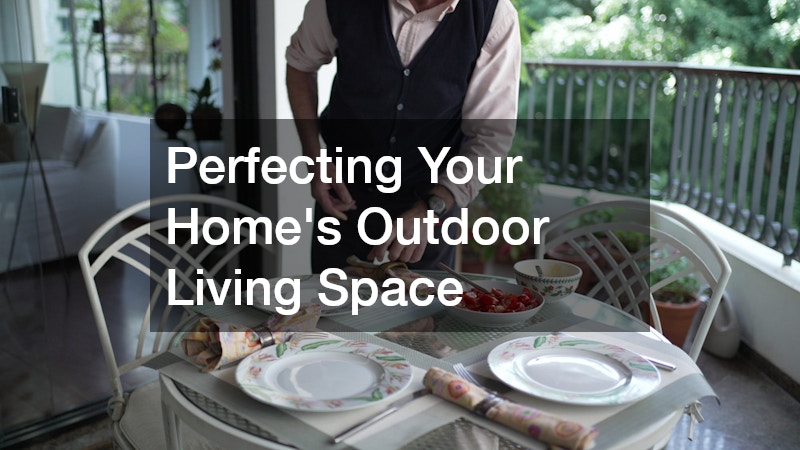
The modern home no longer ends at the back door. Over the past several years, the definition of the residential footprint has fundamentally shifted. Homeowners no longer view their backyards as merely a patch of grass to be mowed, but rather as a blank canvas for a fully realized extension of their interior living space. When designed with intention, an outdoor living area serves as a dynamic sanctuary for relaxation, a bustling entertainment hub, and a quiet retreat for nature connection all at once.
Achieving a flawless transition from an indoor environment to an outdoor oasis requires a delicate balance of architectural structure, functional zoning, and natural beauty. The most successful spaces rely on the concept of “outdoor rooms.” By defining distinct areas for cooking, lounging, dining, and recreation, you maximize the utility of your square footage while exponentially increasing your property’s overall market value. Crafting this type of premium environment is a multi-layered journey. It begins beneath your feet with foundational hardscaping, moves outward to privacy and shelter boundaries, incorporates the living softscape, and finishes with ambient elements that allow the space to be enjoyed late into the evening.
Mapping the Footprint: Traffic Flow and Hardscaping Foundations
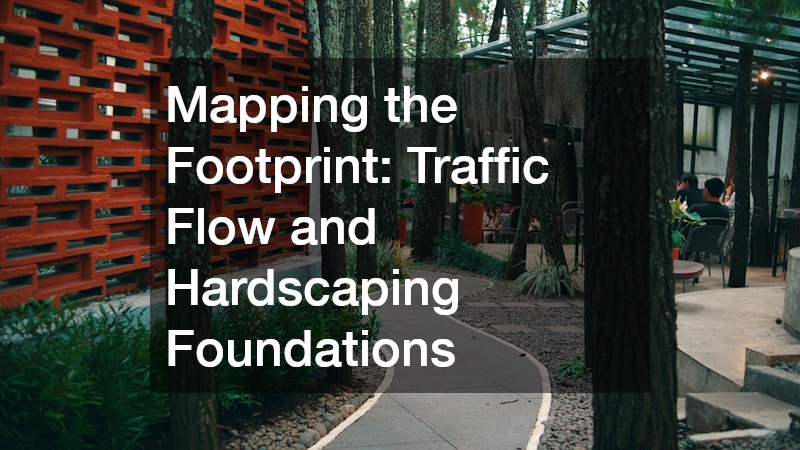
The absolute baseline of any successful outdoor design is spatial planning. Before purchasing furniture or selecting plants, you must analyze how bodies move through physical space. Main traffic lanes—often called desire lines—are the natural, unobstructed paths people take to get from your indoor exits to various outdoor destinations.
To prevent your backyard from feeling cramped or chaotic, incorporate these core architectural clearances into your initial design phase:
- Primary Walkways: Ensure main paths connecting the back door to major features are at least three to four feet wide, allowing two people to walk side-by-side comfortably.
- Dining Zone Clearances: Leave a minimum of three feet of open space around all sides of an outdoor dining table to allow guests to pull out chairs and walk behind seated individuals without stepping into garden beds.
- Lounging perimeters: Keep a radius of at least two feet between coffee tables and sofas to maintain open legroom while keeping drinks within arm’s reach.
Once your traffic patterns are mapped, you must address the physical transition from your home’s foundation to the earth. If your home sits elevated above the grade of your yard, a raised wooden or composite structure is the most logical choice. Elevating the space allows you to step directly out of your home onto a level platform. When planning a raised structure, selecting weather-resistant timbers like cedar or upgrading to capped composite materials will determine your long-term maintenance schedule. Hiring an experienced deck builder ensures that structural footings are dug to proper depths, ledger boards are flawlessly flashed against your home’s siding to prevent moisture rot, and railing heights meet strict local municipal building codes.
If your home sits flush with the ground, a seamless flush patio is highly desirable. Ground-level hardscaping bridges the gap between masonry and nature. Homeowners frequently choose between concrete pavers, natural flagstone, or traditional brick. Unlike poured concrete, interlocking pavers flex naturally with seasonal freeze-and-thaw cycles, preventing large, unsightly structural cracks. Managing slopes, soil compaction, and grading on a large patio layout requires specialized machinery and engineering precision. Partnering with professional paving contractors guarantees that the excavation goes deep enough to hold a four-to-six-inch crushed stone base, followed by a level layer of bedding sand, and that the entire surface retains a subtle pitch of one-quarter inch per linear foot away from your home to divert rainwater seamlessly.
Defining Boundaries: Privacy, Security, and Structural Elegance
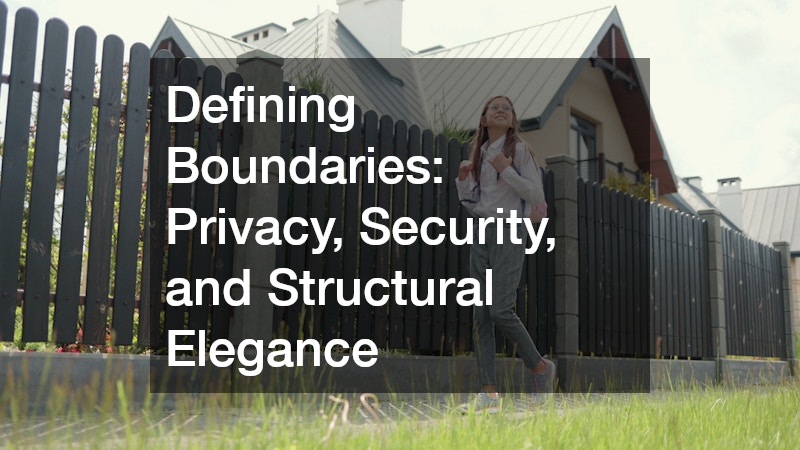
A premium outdoor living space should feel like a private sanctuary, not a fishbowl. Establishing clear perimeter boundaries protects your privacy from neighboring windows while blocking out unwanted street noise and wind.
When mapping out your perimeter, consider how different heights alter the psychological feel of the space:
- Full Privacy Boundaries (6 Feet): Ideal for property lines directly adjacent to neighbors or busy streets, effectively blocking sightlines completely.
- Safety and Perimeter Boundaries (4 Feet): Perfect for front yards or side boundaries where you want to clearly demarcate property limits without cutting off natural light or community views.
- Low Accent Boundaries (2 to 3 Feet): Best used inside the yard to separate a patio from a garden or to create built-in seating ledges.
Choosing the right materials for these perimeters involves balancing aesthetics with long-term durability. While traditional pressure-treated pine is cost-effective, premium materials like horizontal cedar boards, vinyl panels, or powder-coated aluminum offer distinct advantages in longevity and contemporary styling. Engaging trusted fencing contractors ensures that perimeter posts are anchored deeply in concrete below your local frost line, protecting the entire run against high wind loads and soil shifting that causes gates to sag and catch over time.
Beyond the outer perimeter, vertical stone features can be used internally to add architectural mass and visual weight to your layout. Incorporating stone retaining walls can tame sloped yards, turn unusable hillsides into tiered terrace gardens, or form the structural foundation for high-end outdoor kitchens and fireplaces.
Selecting the stone profile—such as tight stackstone for a sleek, modern aesthetic or rough-hewn fieldstone for a timeless estate look—defines the stylistic voice of your yard. For structural masonry projects that involve wet-mortar installation, retaining weight-bearing earth, or constructing fire-rated brickwork, working with skilled masonry contractors is essential to ensure proper weep holes for water drainage and a structural concrete tie-in that prevents stone veneers from delaminating.
Weatherproofing Your Comfort: Sun, Shade, and Bug Protection
Even the most beautiful backyard will sit completely empty if the microclimate is uncomfortable. To maximize the usability of your investment, you must protect yourself from intense afternoon heat, unexpected rain showers, and biting insects.
Understanding how the sun moves across your property throughout the day allows you to design custom shade interventions exactly where they are needed most:
- Morning Sun (East Exposure): Gentle, warm light that is highly desirable for breakfast nooks; rarely requires heavy shade mitigation.
- Midday Heat (South Exposure): Intense, overhead sun that bakes hardscape surfaces; requires dense, overhead cover like pergolas or shade sails.
- Late Afternoon Glare (West Exposure): Harsh, blinding, low-angle light that causes severe eye strain; requires vertical shade elements or adjustable barriers.
To combat the harsh afternoon sun without permanently darkening your home’s interior rooms, dynamic shade solutions are incredibly effective. Fixed roofs can block out valuable winter sunlight when you want it most, making adjustable options highly practical. Installing high-quality retractable awnings allows you to deploy durable, UV-resistant fabric covers on hot summer afternoons to instantly drop patio temperatures by up to twenty degrees. When the sun sets or cooler weather arrives, the fabric rolls away cleanly into a protective cassette, allowing natural light to enter your indoor windows unrestricted.
While sun protection handles daytime comfort, evening comfort often requires defense against local pests. In many regions, flying insects can cut an outdoor dinner party short within minutes of dusk. Building a completely enclosed room with solid walls sacrifices the fresh air and breeze that makes being outside enjoyable in the first place.
The ideal compromise is a dedicated screened outdoor room. Constructing a custom screen enclosure provides a clear barrier against mosquitoes, flies, and windblown organic debris while maintaining absolute airflow and visual transparency. Furthermore, these structures shelter high-end outdoor upholstery and electronics from heavy downpours, pollen storms, and direct sun degradation, substantially extending the lifespan of your interior-grade outdoor furnishings.
Cultivating the Canvas: Living Elements and Canopy Management

Hardscaping provides the bones of an outdoor space, but softscaping—the living trees, shrubs, flowers, and lawns—provides its soul. A backyard devoid of plants feels sterile and industrial, while a space thoughtfully integrated with greenery feels vibrant and deeply restorative.
To create professional-grade garden beds that offer visual interest throughout all four seasons, expert designers rely on structural plant layering:
- The Background Layer (Structural): Tall evergreen shrubs like arborvitae or skip laurel that provide a permanent green backdrop and year-round privacy filtering.
- The Midground Layer (Texture and Form): Deciduous flowering shrubs, ornamental grasses, and perennial blooms like hydrangeas and echinacea that bring seasonal color shifts.
- The Foreground Layer (Ground Cover): Low-growing perennials, creeping phlox, or dark mulches that anchor the bed edges and suppress weed growth.
Designing these living elements requires extensive knowledge of soil chemistry, microclimates, and regional hardiness zones. Placing a shade-loving hosta in direct afternoon sun or crowding fast-growing shrubs too close to a walkway are common errors that result in costly replacements. Partnering with a comprehensive landscaping company ensures a cohesive design where plant root systems do not compromise your underlying utility lines or hardscape foundations, and automated drip-irrigation lines are sub-surfaced to provide efficient watering directly to plant roots.
As your gaze moves upward from the garden beds, the focus shifts to the upper canopy of your property. Mature trees offer unmatched architectural beauty, valuable shade, and localized cooling. However, heavy, unmanaged tree canopies can block too much sunlight, preventing lawns and understory gardens from thriving, while unmonitored root networks can heave heavy concrete pavers out of alignment.
Regular canopy maintenance is essential to prevent property damage from falling limbs during high-wind storms. Entrusting your canopy management to professional tree services ensures that certified arborists handle crown thinning to reduce wind resistance, deadwood removal to eliminate pest hazards, and deep-root fertilization to keep your property’s oldest living assets structurally sound for generations to come.
The Finishing Touches: Evening Ambiance and Preventative Maintenance
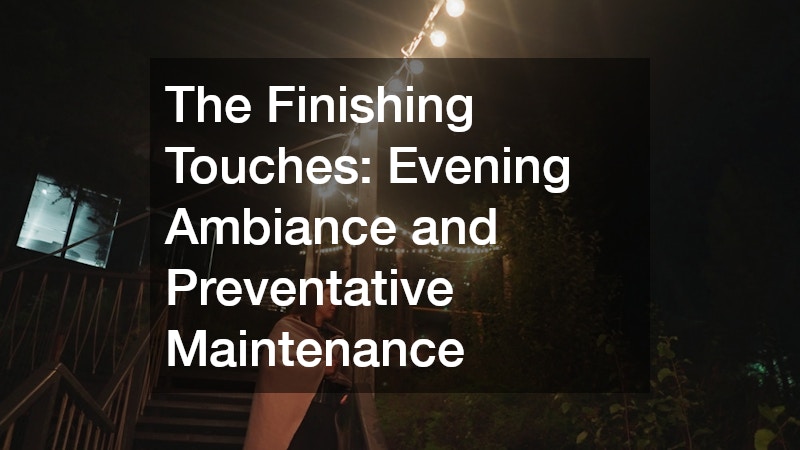
The final phase of creating an outdoor space involves designing the atmosphere for night usage and putting a definitive plan in place to protect your financial investment from environmental wear and tear.
Lighting is the ultimate tool for shifting a backyard’s mood from daytime functional to nighttime magical. The goal should never be to flood the yard with blinding light, but rather to place subtle light sources exactly where they are needed for safety and visual depth.
A professionally designed lighting layout balances three specific layers of illumination:
- Task Lighting: Focused, brighter light directed at cooking zones, outdoor grills, and bar prep areas to ensure safe food preparation after dark.
- Safety Lighting: Low-profile, downward-facing fixtures installed along pathway borders, masonry retaining walls, and stair treads to prevent trips and falls.
- Accent Lighting: Strategic uplighting buried at the base of mature trees, sculpture elements, or textured stone facades to create dramatic shadows and visual depth.
Moving away from high-voltage commercial floodlights toward warm, low-voltage LED systems prevents eye strain and reduces energy consumption. A specialized lighting company can install a balanced system using warm fixtures (around 2700 Kelvin) connected to smart transformers. This allows you to dim individual zones, set automated dusk-to-dawn schedules, and control your entire backyard illumination directly from a smartphone app.
Once your paradise is complete, you must establish a proactive strategy to protect it from the elements. Over a twelve-month cycle, outdoor hardscapes are subjected to intense UV rays, driving rain, freezing ice, organic bird droppings, and blowing pollen. Without routine care, pristine concrete pavers can become dull, wooden decks can host slippery green algae blooms, and stone joints can sprout unsightly weeds.
Implementing a deep-cleaning schedule once or twice a year is non-negotiable for preserving material integrity. Scheduling professional pressure washing services is the most efficient way to blast away deeply embedded grime, mold spores, and moss from stone, composite, and concrete surfaces. Experts utilize specialized surface cleaners and low-pressure chemical washes rather than hyper-focused, high-pressure streams, ensuring that underlying wood fibers aren’t splintered, paver sealants aren’t stripped away, and the critical polymeric sand holding your patio joints together remains completely intact.
Perfecting your home’s outdoor living space is an intentional journey that transforms how you interact with your property. By treating the backyard as a natural extension of your indoor floor plan, you unlock a healthier lifestyle centered around fresh air, shared meals, and peaceful relaxation. Whether you are stepping out onto a beautifully elevated platform, lounging on an impeccably graded stone patio, or enjoying a cool breeze inside a protected, bug-free room, the key to success lies in executing each phase with structural precision and high-quality materials.
While the process requires careful budgeting, extensive planning, and collaboration with specialized craftsmen, the long-term returns are undeniable. A masterfully crafted outdoor environment not only rewards you with years of unforgettable family memories and personal relaxation, but it also stands as a permanent, high-value asset that enhances your home’s architectural beauty and market appeal for decades to come. Create your master plan, execute it with patience, and enjoy the ultimate luxury of a personal resort right outside your back door.