
When we think about home comfort, our minds immediately go to the interior: the plushness of a sofa, the temperature setting on the thermostat, or the thickness of a rug. However, the true architect of your indoor experience is actually your home’s exterior. In the world of construction, this is known as the “building envelope.” This envelope is a sophisticated barrier designed to manage heat, moisture, air pressure, and light.
When an exterior is compromised or outdated, the interior suffers. You feel drafts near the floor, hear the rumble of every passing car, and watch your energy bills climb as your HVAC system struggles against the elements. Improving your home’s exterior isn’t just about curb appeal; it is about fortifying that shield to create a sanctuary that remains temperate, quiet, and dry regardless of what is happening on the other side of the siding.
In this comprehensive guide, we will explore the technical and practical ways you can upgrade your home’s perimeter to maximize your quality of life inside.
Advanced Wall Systems and Thermal Barriers
The walls of your home represent the largest surface area of the building envelope. If these walls are under-insulated or poorly clad, they become a massive heat exchanger. During the summer, the sun beats down on your home, and through a process called thermal bridging, that heat travels through the studs and into your living space. In the winter, the opposite occurs; your expensive heated air escapes through the walls.
To combat this, modern homeowners are looking toward high-performance cladding. This involves more than just a fresh look; it involves adding a layer of continuous insulation. By placing a rigid foam board behind the new facade, you break the thermal bridge, ensuring that the wooden or steel studs of your home aren’t acting as “energy leaks.” Furthermore, the density of modern cladding significantly reduces decibel transfer. If you live near a busy intersection or a flight path, upgrading your exterior skin can make your bedroom feel like a library.
When planning such a massive undertaking, it is vital to consult with professional siding companies. These specialists understand how to manage the “water resistive barrier” (WRB) that sits behind the panels. If the WRB is installed incorrectly, moisture can become trapped, leading to mold and rot that destroys indoor air quality. Additionally, for homes in more arid or Mediterranean climates, seeking out expert stucco services can provide a durable, fire-resistant shell that naturally regulates temperature through its high thermal mass.
Tips for Wall Upgrades:
-
Prioritize R-Value:
Ensure your new cladding system includes an insulation layer with a high R-value to minimize heat transfer. -
Check for Air Leaks:
Use the opportunity of a siding replacement to seal gaps around utility penetrations (pipes and wires). -
Acoustic Insulation:
If noise is a concern, ask about “mineral wool” insulation, which is superior for sound dampening compared to standard fiberglass.
High-Efficiency Windows
Windows are often the weakest link in a home’s thermal defense. A single-pane window has roughly the same insulating value as a tent wall. Even older double-pane windows can lose their effectiveness if the seals fail and the insulating gas escapes. When you upgrade your windows, you aren’t just buying glass; you are investing in a multi-layered technology designed to filter light and trap energy.
The choice of window materials is the first major decision. Different frames offer varying levels of thermal resistance. For instance:
-
Vinyl:
Excellent for moisture resistance and low maintenance, often featuring multi-chambered frames that trap air for insulation. -
Fiberglass:
Mimics the look of wood but is incredibly strong and doesn’t expand or contract with temperature changes. -
Wood:
Offers the best natural insulation but requires significant upkeep to prevent rot.
Beyond the frame, the “Low-E” (low emissivity) coating on the glass is what truly changes the indoor climate. This microscopic layer of silver or tin oxide reflects infrared light. In the summer, it reflects the sun’s heat away from the house; in the winter, it reflects the heat from your furnace back into the room. This prevents the “greenhouse effect” that makes certain rooms unusable during peak sunlight hours.
While many DIY enthusiasts attempt window swaps, complex installations often require the precision of professional home builders. A window is only as good as its seal. If the window isn’t perfectly plumb and leveled, or if the flashing is poorly executed, water will eventually find its way into your framing, leading to structural damage that is hidden from view until it becomes a catastrophe.
Roofing and Attic Climate Control
If your walls are the shield, your roof is the helmet. Because heat rises, a poorly insulated or ventilated roof is the primary cause of heat loss in the winter. In the summer, the roof absorbs direct solar radiation, turning your attic into an oven that can reach temperatures of 150 degrees Fahrenheit. This heat eventually radiates down through your ceiling, forcing your air conditioner to work double shifts.
Modern roofing is moving toward “cool roof” technology. This involves using shingles or tiles that are embedded with specialized granules that reflect sunlight rather than absorbing it. By keeping the roof surface cooler, you reduce the ambient temperature of the entire structure.
Maintenance and replacement require specialized knowledge of load-bearing and waterproofing. Engaging with reputable roofing services ensures that the “decking” underneath your shingles is healthy. If the wood is soft or molded, simply putting new shingles on top is like putting a band-aid on a fracture. Furthermore, qualified roofing contractors can assess your attic’s ventilation. A healthy roof needs to “breathe” through a balanced system of soffit vents (intake) and ridge vents (exhaust). This airflow prevents ice dams in the winter and moisture buildup in the summer.
Key Roofing Features for Interior Comfort:
-
Radiant Barriers:
Consider installing a foil-like material in the attic to reflect heat. -
Proper Flashing:
Ensure all chimneys and vents are sealed with high-quality metal flashing to prevent leaks. -
Gutter Integration:
A roof is only successful if it moves water away from the house quickly; ensure your gutters are sized for your roof’s pitch.
Coatings and Protective Finishes
It is a common misconception that paint is purely aesthetic. In reality, paint is the first line of defense for your home’s wood, masonry, and metal. When paint peels or cracks, it allows moisture to penetrate the substrate. Once moisture gets inside wood or brick, it begins a cycle of expansion and contraction that leads to drafts and structural degradation.
From a comfort perspective, the color of your home matters immensely. Dark colors absorb up to 90% of the sun’s radiant energy, while lighter colors reflect it. If you live in a hot climate, switching from a dark gray to a light cream can noticeably lower the temperature of your interior walls.
Applying these coatings requires meticulous preparation. This is why many homeowners turn to painting companies for large-scale projects. Professionals don’t just “paint”; they scrape, sand, prime, and caulk. This “envelope sealing” is critical. Every gap where two pieces of trim meet is a potential entry point for spiders, ants, and unconditioned air.
Furthermore, for specialized materials like brick or stone, painting contractors can use breathable “silicate” paints. Unlike standard latex paint, which can trap moisture inside a brick and cause it to crumble, silicate paints chemically bond with the masonry while allowing water vapor to escape. This ensures that the humidity levels inside your home remain stable and the structure remains sound for decades.
Hardscaping and Foundation Drainage
We rarely associate the ground outside with the comfort inside, but they are inextricably linked. The most common cause of a “musty” or “damp” feeling inside a home is poor ground drainage. If the earth around your home is saturated, that moisture moves through the concrete foundation via capillary action—literally climbing up the walls.
To prevent this, the exterior must be designed to shed water away from the structure. This is where the strategic use of brick pavers comes into play. By installing permeable paving systems, you allow rainwater to filter into the ground rather than pooling against your foundation. Properly graded patios and walkways act as a funnel, directing the thousands of gallons of water that fall on your roof during a storm toward the edges of your property.
Drainage Solutions for a Drier Interior:
-
French Drains:
A buried pipe surrounded by gravel that redirects groundwater. -
Sump Pump Maintenance:
Ensuring your interior pump has a clear discharge path far from the exterior walls. -
Grading:
Maintaining a “6-inch drop over 10 feet” slope away from the house.
When the area around your foundation is dry, your basement or crawlspace stays dry. This eliminates the source of mold spores and dust mites, which are the leading causes of indoor allergies and respiratory discomfort.
Balconies, Decks, and Natural Light
The way we transition from the interior to the exterior also plays a role in our perceived comfort. Large glass doors and balconies extend the visual square footage of a room, making a small home feel expansive. However, these areas are also “thermal holes” if not handled correctly.
When designing these spaces, the choice of safety barriers is paramount. Modern balcony railings are now designed to be almost invisible, using glass or thin cable systems. This allows maximum natural light to enter the home, which is essential for regulating our circadian rhythms and reducing the need for artificial lighting during the day. However, these areas must be integrated into the home’s structure with “thermal breaks” to prevent the metal supports from conducting cold directly into the floor joists of your living room.
Designing for Light and Air:
-
Bifold Doors:
These allow for massive airflow during temperate months, purging indoor pollutants. -
Awnings:
Retractable exterior shades can block the sun before it hits your glass, which is 10 times more effective than interior blinds. -
Strategic Planting:
Deciduous trees provide shade in the summer but drop their leaves in the winter to let the warming sun through.
Acoustic Privacy
For many, comfort is defined by silence. If you can hear your neighbor’s lawnmower as if it were in your living room, your exterior has an acoustic leakage problem. Sound travels through air gaps and through thin materials.
Upgrading to thicker siding, adding stone veneers, or even installing “sound-deadening” exterior gypsum board can transform the interior environment. These upgrades create a dense mass that vibrates less, effectively “killing” the sound waves before they reach your ears. This is particularly important for home offices and nurseries, where a quiet environment is a functional necessity.
The Economics of Exterior Upgrades
While the primary goal of these improvements is comfort, the secondary benefit is a dramatic increase in property value and a decrease in monthly overhead. A home that is well-insulated and tightly sealed requires less energy to maintain. In many cases, homeowners see a 20-30% reduction in energy costs after performing comprehensive exterior upgrades.
Furthermore, many of these improvements qualify for “green energy” tax credits. By choosing the right materials and certified installers, you can offset the initial capital expenditure through government incentives and long-term utility savings. It is an investment that pays dividends in both cash and quality of life.
Preserving Your Comfort
An upgraded exterior is not a “set it and forget it” solution. To maintain the comfort levels you’ve achieved, a regular inspection schedule is required.
-
Spring Inspection:
Check for winter damage, specifically looking for cracked caulking around windows and loose shingles. -
Gutter Cleaning:
Twice a year, ensure your drainage system is clear. Clogged gutters lead to “sheeting” water, which can find its way behind siding and into your walls. -
Vegetation Management:
Keep shrubs at least 12 inches away from the house to allow for airflow and prevent moisture from being trapped against the exterior finish. -
Sealant Checks:
Every 3-5 years, inspect the seals around door frames and window sills. Re-caulking these areas is a low-cost task that prevents high-cost energy leaks.
The exterior of your home is far more than a facade. It is a living, breathing system that acts as the guardian of your family’s comfort. By understanding the interplay between materials, airflow, and energy transfer, you can make informed decisions that turn your house into a high-performance sanctuary. Whether it is through advanced glass technology, reflective roofing, or precision-engineered cladding, every dollar spent on your home’s exterior is a direct investment in the peace and comfort of your life inside.
Ultimately, a home should be a place where the chaos of the outside world—whether it be the scorching sun, a freezing wind, or a noisy street—cannot reach you. By focusing on the integrity of your home’s envelope today, you ensure a more comfortable, sustainable, and enjoyable living environment for the many years to come.
When we think about home comfort, our minds immediately go to the interior: the plushness of a sofa, the temperature setting on the thermostat, or the thickness of a rug. However, the true architect of your indoor experience is actually your home’s exterior. In the world of construction, this is known as the “building envelope.” This envelope is a sophisticated barrier designed to manage heat, moisture, air pressure, and light.
When an exterior is compromised or outdated, the interior suffers. You feel drafts near the floor, hear the rumble of every passing car, and watch your energy bills climb as your HVAC system struggles against the elements. Improving your home’s exterior isn’t just about curb appeal; it is about fortifying that shield to create a sanctuary that remains temperate, quiet, and dry regardless of what is happening on the other side of the siding.
In this comprehensive guide, we will explore the technical and practical ways you can upgrade your home’s perimeter to maximize your quality of life inside.
Advanced Wall Systems and Thermal Barriers
The walls of your home represent the largest surface area of the building envelope. If these walls are under-insulated or poorly clad, they become a massive heat exchanger. During the summer, the sun beats down on your home, and through a process called thermal bridging, that heat travels through the studs and into your living space. In the winter, the opposite occurs; your expensive heated air escapes through the walls.
To combat this, modern homeowners are looking toward high-performance cladding. This involves more than just a fresh look; it involves adding a layer of continuous insulation. By placing a rigid foam board behind the new facade, you break the thermal bridge, ensuring that the wooden or steel studs of your home aren’t acting as “energy leaks.” Furthermore, the density of modern cladding significantly reduces decibel transfer. If you live near a busy intersection or a flight path, upgrading your exterior skin can make your bedroom feel like a library.
When planning such a massive undertaking, it is vital to consult with professional siding companies. These specialists understand how to manage the “water resistive barrier” (WRB) that sits behind the panels. If the WRB is installed incorrectly, moisture can become trapped, leading to mold and rot that destroys indoor air quality. Additionally, for homes in more arid or Mediterranean climates, seeking out expert stucco services can provide a durable, fire-resistant shell that naturally regulates temperature through its high thermal mass.
Tips for Wall Upgrades:
-
Prioritize R-Value:
Ensure your new cladding system includes an insulation layer with a high R-value to minimize heat transfer. -
Check for Air Leaks:
Use the opportunity of a siding replacement to seal gaps around utility penetrations (pipes and wires). -
Acoustic Insulation:
If noise is a concern, ask about “mineral wool” insulation, which is superior for sound dampening compared to standard fiberglass.
High-Efficiency Windows
Windows are often the weakest link in a home’s thermal defense. A single-pane window has roughly the same insulating value as a tent wall. Even older double-pane windows can lose their effectiveness if the seals fail and the insulating gas escapes. When you upgrade your windows, you aren’t just buying glass; you are investing in a multi-layered technology designed to filter light and trap energy.
The choice of window materials is the first major decision. Different frames offer varying levels of thermal resistance. For instance:
-
Vinyl:
Excellent for moisture resistance and low maintenance, often featuring multi-chambered frames that trap air for insulation. -
Fiberglass:
Mimics the look of wood but is incredibly strong and doesn’t expand or contract with temperature changes. -
Wood:
Offers the best natural insulation but requires significant upkeep to prevent rot.
Beyond the frame, the “Low-E” (low emissivity) coating on the glass is what truly changes the indoor climate. This microscopic layer of silver or tin oxide reflects infrared light. In the summer, it reflects the sun’s heat away from the house; in the winter, it reflects the heat from your furnace back into the room. This prevents the “greenhouse effect” that makes certain rooms unusable during peak sunlight hours.
While many DIY enthusiasts attempt window swaps, complex installations often require the precision of professional home builders. A window is only as good as its seal. If the window isn’t perfectly plumb and leveled, or if the flashing is poorly executed, water will eventually find its way into your framing, leading to structural damage that is hidden from view until it becomes a catastrophe.
Roofing and Attic Climate Control
If your walls are the shield, your roof is the helmet. Because heat rises, a poorly insulated or ventilated roof is the primary cause of heat loss in the winter. In the summer, the roof absorbs direct solar radiation, turning your attic into an oven that can reach temperatures of 150 degrees Fahrenheit. This heat eventually radiates down through your ceiling, forcing your air conditioner to work double shifts.
Modern roofing is moving toward “cool roof” technology. This involves using shingles or tiles that are embedded with specialized granules that reflect sunlight rather than absorbing it. By keeping the roof surface cooler, you reduce the ambient temperature of the entire structure.
Maintenance and replacement require specialized knowledge of load-bearing and waterproofing. Engaging with reputable roofing services ensures that the “decking” underneath your shingles is healthy. If the wood is soft or molded, simply putting new shingles on top is like putting a band-aid on a fracture. Furthermore, qualified roofing contractors can assess your attic’s ventilation. A healthy roof needs to “breathe” through a balanced system of soffit vents (intake) and ridge vents (exhaust). This airflow prevents ice dams in the winter and moisture buildup in the summer.
Key Roofing Features for Interior Comfort:
-
Radiant Barriers:
Consider installing a foil-like material in the attic to reflect heat. -
Proper Flashing:
Ensure all chimneys and vents are sealed with high-quality metal flashing to prevent leaks. -
Gutter Integration:
A roof is only successful if it moves water away from the house quickly; ensure your gutters are sized for your roof’s pitch.
Coatings and Protective Finishes
It is a common misconception that paint is purely aesthetic. In reality, paint is the first line of defense for your home’s wood, masonry, and metal. When paint peels or cracks, it allows moisture to penetrate the substrate. Once moisture gets inside wood or brick, it begins a cycle of expansion and contraction that leads to drafts and structural degradation.
From a comfort perspective, the color of your home matters immensely. Dark colors absorb up to 90% of the sun’s radiant energy, while lighter colors reflect it. If you live in a hot climate, switching from a dark gray to a light cream can noticeably lower the temperature of your interior walls.
Applying these coatings requires meticulous preparation. This is why many homeowners turn to painting companies for large-scale projects. Professionals don’t just “paint”; they scrape, sand, prime, and caulk. This “envelope sealing” is critical. Every gap where two pieces of trim meet is a potential entry point for spiders, ants, and unconditioned air.
Furthermore, for specialized materials like brick or stone, painting contractors can use breathable “silicate” paints. Unlike standard latex paint, which can trap moisture inside a brick and cause it to crumble, silicate paints chemically bond with the masonry while allowing water vapor to escape. This ensures that the humidity levels inside your home remain stable and the structure remains sound for decades.
Hardscaping and Foundation Drainage
We rarely associate the ground outside with the comfort inside, but they are inextricably linked. The most common cause of a “musty” or “damp” feeling inside a home is poor ground drainage. If the earth around your home is saturated, that moisture moves through the concrete foundation via capillary action—literally climbing up the walls.
To prevent this, the exterior must be designed to shed water away from the structure. This is where the strategic use of brick pavers comes into play. By installing permeable paving systems, you allow rainwater to filter into the ground rather than pooling against your foundation. Properly graded patios and walkways act as a funnel, directing the thousands of gallons of water that fall on your roof during a storm toward the edges of your property.
Drainage Solutions for a Drier Interior:
-
French Drains:
A buried pipe surrounded by gravel that redirects groundwater. -
Sump Pump Maintenance:
Ensuring your interior pump has a clear discharge path far from the exterior walls. -
Grading:
Maintaining a “6-inch drop over 10 feet” slope away from the house.
When the area around your foundation is dry, your basement or crawlspace stays dry. This eliminates the source of mold spores and dust mites, which are the leading causes of indoor allergies and respiratory discomfort.
Balconies, Decks, and Natural Light
The way we transition from the interior to the exterior also plays a role in our perceived comfort. Large glass doors and balconies extend the visual square footage of a room, making a small home feel expansive. However, these areas are also “thermal holes” if not handled correctly.
When designing these spaces, the choice of safety barriers is paramount. Modern balcony railings are now designed to be almost invisible, using glass or thin cable systems. This allows maximum natural light to enter the home, which is essential for regulating our circadian rhythms and reducing the need for artificial lighting during the day. However, these areas must be integrated into the home’s structure with “thermal breaks” to prevent the metal supports from conducting cold directly into the floor joists of your living room.
Designing for Light and Air:
-
Bifold Doors:
These allow for massive airflow during temperate months, purging indoor pollutants. -
Awnings:
Retractable exterior shades can block the sun before it hits your glass, which is 10 times more effective than interior blinds. -
Strategic Planting:
Deciduous trees provide shade in the summer but drop their leaves in the winter to let the warming sun through.
Acoustic Privacy
For many, comfort is defined by silence. If you can hear your neighbor’s lawnmower as if it were in your living room, your exterior has an acoustic leakage problem. Sound travels through air gaps and through thin materials.
Upgrading to thicker siding, adding stone veneers, or even installing “sound-deadening” exterior gypsum board can transform the interior environment. These upgrades create a dense mass that vibrates less, effectively “killing” the sound waves before they reach your ears. This is particularly important for home offices and nurseries, where a quiet environment is a functional necessity.
The Economics of Exterior Upgrades
While the primary goal of these improvements is comfort, the secondary benefit is a dramatic increase in property value and a decrease in monthly overhead. A home that is well-insulated and tightly sealed requires less energy to maintain. In many cases, homeowners see a 20-30% reduction in energy costs after performing comprehensive exterior upgrades.
Furthermore, many of these improvements qualify for “green energy” tax credits. By choosing the right materials and certified installers, you can offset the initial capital expenditure through government incentives and long-term utility savings. It is an investment that pays dividends in both cash and quality of life.
Preserving Your Comfort
An upgraded exterior is not a “set it and forget it” solution. To maintain the comfort levels you’ve achieved, a regular inspection schedule is required.
-
Spring Inspection:
Check for winter damage, specifically looking for cracked caulking around windows and loose shingles. -
Gutter Cleaning:
Twice a year, ensure your drainage system is clear. Clogged gutters lead to “sheeting” water, which can find its way behind siding and into your walls. -
Vegetation Management:
Keep shrubs at least 12 inches away from the house to allow for airflow and prevent moisture from being trapped against the exterior finish. -
Sealant Checks:
Every 3-5 years, inspect the seals around door frames and window sills. Re-caulking these areas is a low-cost task that prevents high-cost energy leaks.
The exterior of your home is far more than a facade. It is a living, breathing system that acts as the guardian of your family’s comfort. By understanding the interplay between materials, airflow, and energy transfer, you can make informed decisions that turn your house into a high-performance sanctuary. Whether it is through advanced glass technology, reflective roofing, or precision-engineered cladding, every dollar spent on your home’s exterior is a direct investment in the peace and comfort of your life inside.
Ultimately, a home should be a place where the chaos of the outside world—whether it be the scorching sun, a freezing wind, or a noisy street—cannot reach you. By focusing on the integrity of your home’s envelope today, you ensure a more comfortable, sustainable, and enjoyable living environment for the many years to come.
When we think about home comfort, our minds immediately go to the interior: the plushness of a sofa, the temperature setting on the thermostat, or the thickness of a rug. However, the true architect of your indoor experience is actually your home’s exterior. In the world of construction, this is known as the “building envelope.” This envelope is a sophisticated barrier designed to manage heat, moisture, air pressure, and light.
When an exterior is compromised or outdated, the interior suffers. You feel drafts near the floor, hear the rumble of every passing car, and watch your energy bills climb as your HVAC system struggles against the elements. Improving your home’s exterior isn’t just about curb appeal; it is about fortifying that shield to create a sanctuary that remains temperate, quiet, and dry regardless of what is happening on the other side of the siding.
In this comprehensive guide, we will explore the technical and practical ways you can upgrade your home’s perimeter to maximize your quality of life inside.
Advanced Wall Systems and Thermal Barriers

The walls of your home represent the largest surface area of the building envelope. If these walls are under-insulated or poorly clad, they become a massive heat exchanger. During the summer, the sun beats down on your home, and through a process called thermal bridging, that heat travels through the studs and into your living space. In the winter, the opposite occurs; your expensive heated air escapes through the walls.
To combat this, modern homeowners are looking toward high-performance cladding. This involves more than just a fresh look; it involves adding a layer of continuous insulation. By placing a rigid foam board behind the new facade, you break the thermal bridge, ensuring that the wooden or steel studs of your home aren’t acting as “energy leaks.” Furthermore, the density of modern cladding significantly reduces decibel transfer. If you live near a busy intersection or a flight path, upgrading your exterior skin can make your bedroom feel like a library.
When planning such a massive undertaking, it is vital to consult with professional siding companies. These specialists understand how to manage the “water resistive barrier” (WRB) that sits behind the panels. If the WRB is installed incorrectly, moisture can become trapped, leading to mold and rot that destroys indoor air quality. Additionally, for homes in more arid or Mediterranean climates, seeking out expert stucco services can provide a durable, fire-resistant shell that naturally regulates temperature through its high thermal mass.
Tips for Wall Upgrades:
- Prioritize R-Value: Ensure your new cladding system includes an insulation layer with a high R-value to minimize heat transfer.
- Check for Air Leaks: Use the opportunity of a siding replacement to seal gaps around utility penetrations (pipes and wires).
- Acoustic Insulation: If noise is a concern, ask about “mineral wool” insulation, which is superior for sound dampening compared to standard fiberglass.
High-Efficiency Windows
Windows are often the weakest link in a home’s thermal defense. A single-pane window has roughly the same insulating value as a tent wall. Even older double-pane windows can lose their effectiveness if the seals fail and the insulating gas escapes. When you upgrade your windows, you aren’t just buying glass; you are investing in a multi-layered technology designed to filter light and trap energy.
The choice of window materials is the first major decision. Different frames offer varying levels of thermal resistance. For instance:
- Vinyl: Excellent for moisture resistance and low maintenance, often featuring multi-chambered frames that trap air for insulation.
- Fiberglass: Mimics the look of wood but is incredibly strong and doesn’t expand or contract with temperature changes.
- Wood: Offers the best natural insulation but requires significant upkeep to prevent rot.
Beyond the frame, the “Low-E” (low emissivity) coating on the glass is what truly changes the indoor climate. This microscopic layer of silver or tin oxide reflects infrared light. In the summer, it reflects the sun’s heat away from the house; in the winter, it reflects the heat from your furnace back into the room. This prevents the “greenhouse effect” that makes certain rooms unusable during peak sunlight hours.
While many DIY enthusiasts attempt window swaps, complex installations often require the precision of professional home builders. A window is only as good as its seal. If the window isn’t perfectly plumb and leveled, or if the flashing is poorly executed, water will eventually find its way into your framing, leading to structural damage that is hidden from view until it becomes a catastrophe.
Roofing and Attic Climate Control

If your walls are the shield, your roof is the helmet. Because heat rises, a poorly insulated or ventilated roof is the primary cause of heat loss in the winter. In the summer, the roof absorbs direct solar radiation, turning your attic into an oven that can reach temperatures of 150 degrees Fahrenheit. This heat eventually radiates down through your ceiling, forcing your air conditioner to work double shifts.
Modern roofing is moving toward “cool roof” technology. This involves using shingles or tiles that are embedded with specialized granules that reflect sunlight rather than absorbing it. By keeping the roof surface cooler, you reduce the ambient temperature of the entire structure.
Maintenance and replacement require specialized knowledge of load-bearing and waterproofing. Engaging with reputable roofing services ensures that the “decking” underneath your shingles is healthy. If the wood is soft or molded, simply putting new shingles on top is like putting a band-aid on a fracture. Furthermore, qualified roofing contractors can assess your attic’s ventilation. A healthy roof needs to “breathe” through a balanced system of soffit vents (intake) and ridge vents (exhaust). This airflow prevents ice dams in the winter and moisture buildup in the summer.
Key Roofing Features for Interior Comfort:
- Radiant Barriers: Consider installing a foil-like material in the attic to reflect heat.
- Proper Flashing: Ensure all chimneys and vents are sealed with high-quality metal flashing to prevent leaks.
- Gutter Integration: A roof is only successful if it moves water away from the house quickly; ensure your gutters are sized for your roof’s pitch.
Coatings and Protective Finishes
It is a common misconception that paint is purely aesthetic. In reality, paint is the first line of defense for your home’s wood, masonry, and metal. When paint peels or cracks, it allows moisture to penetrate the substrate. Once moisture gets inside wood or brick, it begins a cycle of expansion and contraction that leads to drafts and structural degradation.
From a comfort perspective, the color of your home matters immensely. Dark colors absorb up to 90% of the sun’s radiant energy, while lighter colors reflect it. If you live in a hot climate, switching from a dark gray to a light cream can noticeably lower the temperature of your interior walls.
Applying these coatings requires meticulous preparation. This is why many homeowners turn to painting companies for large-scale projects. Professionals don’t just “paint”; they scrape, sand, prime, and caulk. This “envelope sealing” is critical. Every gap where two pieces of trim meet is a potential entry point for spiders, ants, and unconditioned air.
Furthermore, for specialized materials like brick or stone, painting contractors can use breathable “silicate” paints. Unlike standard latex paint, which can trap moisture inside a brick and cause it to crumble, silicate paints chemically bond with the masonry while allowing water vapor to escape. This ensures that the humidity levels inside your home remain stable and the structure remains sound for decades.
Hardscaping and Foundation Drainage
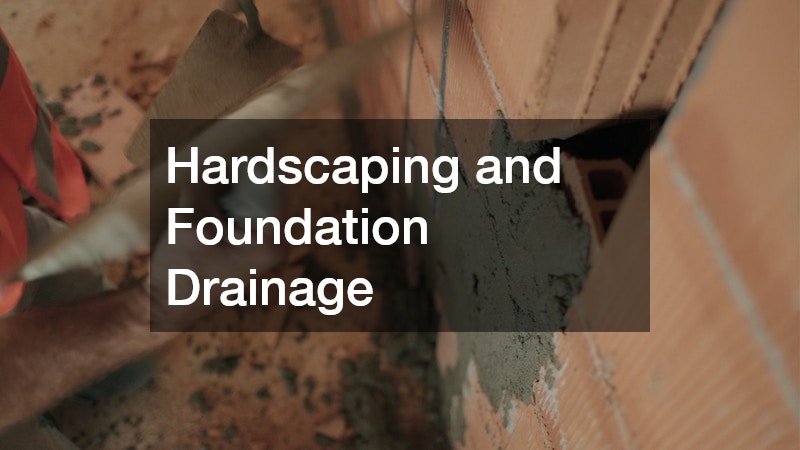
We rarely associate the ground outside with the comfort inside, but they are inextricably linked. The most common cause of a “musty” or “damp” feeling inside a home is poor ground drainage. If the earth around your home is saturated, that moisture moves through the concrete foundation via capillary action—literally climbing up the walls.
To prevent this, the exterior must be designed to shed water away from the structure. This is where the strategic use of brick pavers comes into play. By installing permeable paving systems, you allow rainwater to filter into the ground rather than pooling against your foundation. Properly graded patios and walkways act as a funnel, directing the thousands of gallons of water that fall on your roof during a storm toward the edges of your property.
Drainage Solutions for a Drier Interior:
- French Drains: A buried pipe surrounded by gravel that redirects groundwater.
- Sump Pump Maintenance: Ensuring your interior pump has a clear discharge path far from the exterior walls.
- Grading: Maintaining a “6-inch drop over 10 feet” slope away from the house.
When the area around your foundation is dry, your basement or crawlspace stays dry. This eliminates the source of mold spores and dust mites, which are the leading causes of indoor allergies and respiratory discomfort.
Balconies, Decks, and Natural Light
The way we transition from the interior to the exterior also plays a role in our perceived comfort. Large glass doors and balconies extend the visual square footage of a room, making a small home feel expansive. However, these areas are also “thermal holes” if not handled correctly.
When designing these spaces, the choice of safety barriers is paramount. Modern balcony railings are now designed to be almost invisible, using glass or thin cable systems. This allows maximum natural light to enter the home, which is essential for regulating our circadian rhythms and reducing the need for artificial lighting during the day. However, these areas must be integrated into the home’s structure with “thermal breaks” to prevent the metal supports from conducting cold directly into the floor joists of your living room.
Designing for Light and Air:
- Bifold Doors: These allow for massive airflow during temperate months, purging indoor pollutants.
- Awnings: Retractable exterior shades can block the sun before it hits your glass, which is 10 times more effective than interior blinds.
- Strategic Planting: Deciduous trees provide shade in the summer but drop their leaves in the winter to let the warming sun through.
Acoustic Privacy
For many, comfort is defined by silence. If you can hear your neighbor’s lawnmower as if it were in your living room, your exterior has an acoustic leakage problem. Sound travels through air gaps and through thin materials.
Upgrading to thicker siding, adding stone veneers, or even installing “sound-deadening” exterior gypsum board can transform the interior environment. These upgrades create a dense mass that vibrates less, effectively “killing” the sound waves before they reach your ears. This is particularly important for home offices and nurseries, where a quiet environment is a functional necessity.
The Economics of Exterior Upgrades
While the primary goal of these improvements is comfort, the secondary benefit is a dramatic increase in property value and a decrease in monthly overhead. A home that is well-insulated and tightly sealed requires less energy to maintain. In many cases, homeowners see a 20-30% reduction in energy costs after performing comprehensive exterior upgrades.
Furthermore, many of these improvements qualify for “green energy” tax credits. By choosing the right materials and certified installers, you can offset the initial capital expenditure through government incentives and long-term utility savings. It is an investment that pays dividends in both cash and quality of life.
Preserving Your Comfort
An upgraded exterior is not a “set it and forget it” solution. To maintain the comfort levels you’ve achieved, a regular inspection schedule is required.
- Spring Inspection: Check for winter damage, specifically looking for cracked caulking around windows and loose shingles.
- Gutter Cleaning: Twice a year, ensure your drainage system is clear. Clogged gutters lead to “sheeting” water, which can find its way behind siding and into your walls.
- Vegetation Management: Keep shrubs at least 12 inches away from the house to allow for airflow and prevent moisture from being trapped against the exterior finish.
- Sealant Checks: Every 3-5 years, inspect the seals around door frames and window sills. Re-caulking these areas is a low-cost task that prevents high-cost energy leaks.
The exterior of your home is far more than a facade. It is a living, breathing system that acts as the guardian of your family’s comfort. By understanding the interplay between materials, airflow, and energy transfer, you can make informed decisions that turn your house into a high-performance sanctuary. Whether it is through advanced glass technology, reflective roofing, or precision-engineered cladding, every dollar spent on your home’s exterior is a direct investment in the peace and comfort of your life inside.
Ultimately, a home should be a place where the chaos of the outside world—whether it be the scorching sun, a freezing wind, or a noisy street—cannot reach you. By focusing on the integrity of your home’s envelope today, you ensure a more comfortable, sustainable, and enjoyable living environment for the many years to come.