Maintaining a home involves much more than keeping rooms clean and completing occasional cosmetic updates. A well-maintained property depends on many systems working together, from heating and cooling equipment to plumbing, electrical components, roofing, gutters, and exterior materials. When these systems receive regular attention, homeowners may be able to catch developing problems earlier, avoid unnecessary disruptions, and keep their property comfortable and functional throughout the year.
Home repairs also tend to become more complicated when they are postponed. A small roof leak can allow moisture to spread, a minor plumbing issue can contribute to water damage, and an electrical problem can become a serious safety concern. Even exterior components that seem relatively simple, such as gutters and siding, can affect the home’s ability to withstand weather and moisture. Recognizing common warning signs and knowing when professional assistance is appropriate can make routine maintenance more manageable.
Keep Your Home Comfortable in Every Season

Heating and cooling equipment plays a major role in maintaining a comfortable indoor environment. Because these systems often operate for extended periods, especially during periods of extreme heat or cold, routine maintenance can help support reliable performance and identify potential problems before they interrupt your home’s comfort.
HVAC services can include inspections, maintenance, repairs, equipment replacement, and other work related to heating and cooling systems. Scheduling professional maintenance can give technicians an opportunity to inspect components, check system performance, clean certain parts, and identify signs of wear. Homeowners should also replace or clean air filters according to the manufacturer’s recommendations, as clogged filters can restrict airflow and make equipment work harder.
Pay attention to signs that your system may need attention. Uneven temperatures, unusual noises, weak airflow, unpleasant odors, frequent cycling, or unexplained increases in energy use may indicate an issue. Addressing these warning signs promptly can help prevent a minor problem from developing into a larger repair.
Homeowners should also keep outdoor equipment clear of leaves, grass, branches, and other debris. Maintaining adequate clearance around outdoor components allows for proper airflow and makes it easier to inspect the equipment. Regular maintenance, combined with attention to changes in performance, can help keep your home’s heating and cooling system operating more reliably.
Restore Cool Air When Your System Struggles
A malfunctioning air conditioner can quickly become a major inconvenience when outdoor temperatures rise. While some problems may have straightforward causes, others require professional diagnosis to determine exactly what is preventing the system from cooling effectively.
Common warning signs include warm air coming from vents, inadequate airflow, unusual sounds, water around the indoor equipment, frequent cycling, or an air conditioner that runs continuously without adequately cooling the home. Homeowners can check simple issues such as thermostat settings and air filters, but more complicated problems should generally be evaluated by a qualified professional.
AC repairs may involve diagnosing electrical components, refrigerant-related issues, drainage problems, mechanical wear, or other system concerns. Attempting to repair complex components without the appropriate training can create additional damage or safety risks.
Regular maintenance can also help reduce the likelihood of unexpected breakdowns. Before the cooling season begins, homeowners can have their system inspected and address small problems before the equipment is placed under heavier demand. Keeping vents and registers unobstructed can also support proper airflow throughout the home.
When an air conditioner reaches the end of its useful life or requires frequent repairs, replacement may eventually make more sense than continuing to repair the equipment. A professional can help evaluate the system’s condition and discuss appropriate options based on the home’s cooling needs.
Address Roof Damage Before It Leads to Larger Issues
The roof provides essential protection against rain, snow, wind, sunlight, and other outdoor conditions. Even relatively small areas of damage can create opportunities for water to enter the home, potentially affecting insulation, ceilings, walls, and structural materials.
Roof repair may be necessary when shingles are missing, cracked, curled, or damaged. Other warning signs can include water stains on ceilings, damaged flashing, sagging areas, or visible deterioration around roof penetrations. After significant storms, homeowners should also inspect the roof from the ground for obvious signs of damage.
It is important to avoid delaying necessary repairs. Water can travel away from the original point of entry, meaning the visible interior damage may not be located directly beneath the roof problem. Addressing the source promptly can help limit the potential spread of moisture-related damage.
Roof inspections should be performed carefully. Homeowners can look for visible concerns from the ground, but climbing onto a roof can be dangerous. Professional inspections are often appropriate when the roof is difficult to access, damage is suspected, or a more thorough assessment is needed.
Keeping nearby trees trimmed can also help protect the roof. Overhanging branches can scrape roofing materials, drop debris, and increase the risk of storm-related damage. Combined with regular inspections, these preventative steps can help extend the life of the roofing system.
Maintain the Protection Your Home Needs Overhead
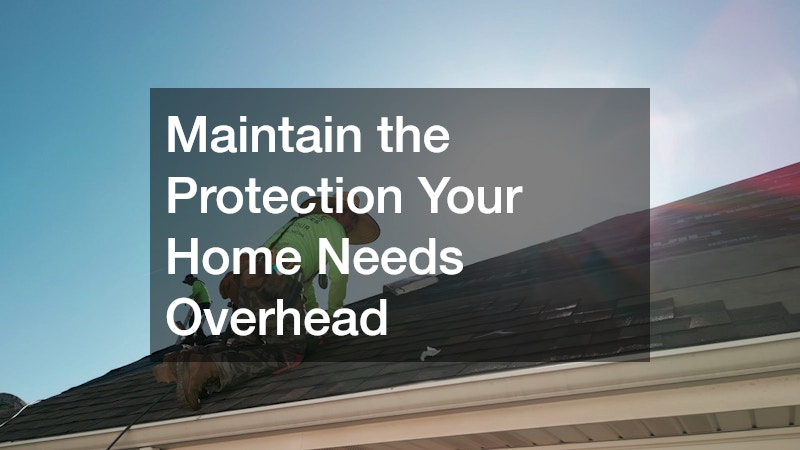
Roof maintenance involves more than addressing leaks after they occur. Proactive care can help identify deterioration and keep the roofing system functioning as intended. Depending on the roof’s age, material, and condition, maintenance may include inspections, repairs, flashing work, ventilation improvements, or eventual replacement.
Professional roofing services can help homeowners assess the overall condition of their roofs and determine which work is appropriate. A professional evaluation may identify issues that are not immediately visible from the ground, including problems with flashing, ventilation, drainage, or other components.
Homeowners should consider the age and history of their roof when planning maintenance. Older roofing systems may require more frequent inspections and could eventually need replacement. Keeping documentation of previous work can also help homeowners understand what materials were used and when major repairs were completed.
Proper attic ventilation and insulation can also influence roof performance. Excessive heat and moisture in an attic can contribute to certain roofing and moisture problems, making the condition of the attic an important part of overall home maintenance.
Rather than waiting for a major leak or storm event to reveal problems, homeowners can make roof inspections part of their broader maintenance routine. Addressing issues while they are manageable may help protect both the roof and the interior of the home.
Restore a Reliable Supply of Hot Water
Hot water is essential for bathing, washing dishes, cleaning, and many other household activities. When a water heater stops working properly, the disruption can affect a large portion of a home’s daily routine.
Signs that a water heater may need attention include inconsistent water temperatures, insufficient hot water, unusual noises, discolored water, leaks, or visible corrosion. Some issues may result from sediment buildup or aging components, while others may indicate more significant problems.
Water heater repair can address certain mechanical or operational issues and may restore performance without requiring complete replacement. However, the appropriate solution depends on the type of water heater, its age, the nature of the problem, and its overall condition.
Homeowners should take leaks particularly seriously. Water around the base of a water heater or moisture on nearby surfaces can indicate a problem that needs prompt attention. Because water heaters combine water, electricity, gas, or other energy sources depending on the equipment type, repairs should be handled carefully.
Regular maintenance can also support long-term performance. Following the manufacturer’s maintenance recommendations and having the equipment professionally inspected when appropriate can help identify developing problems. If a water heater is older and experiencing repeated failures, replacement may ultimately provide a more practical long-term solution.
Keep Plumbing Systems Flowing Properly
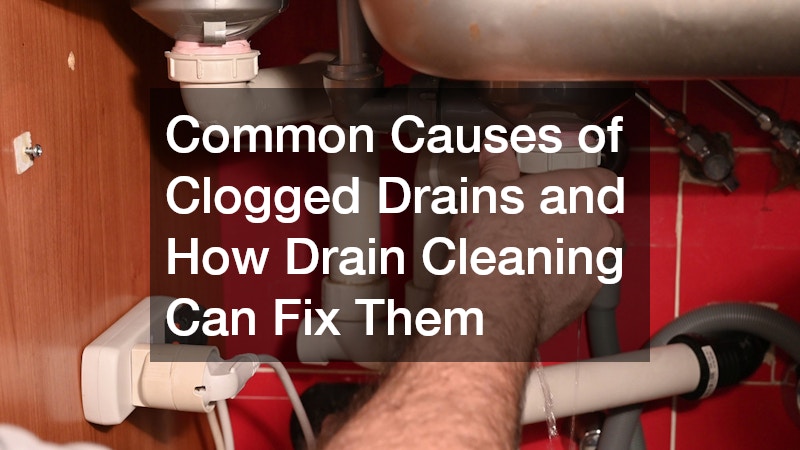
Plumbing systems are responsible for delivering clean water and removing wastewater throughout the home. Because much of the plumbing infrastructure is hidden, small problems can sometimes go unnoticed until they create visible damage.
Homeowners should pay attention to slow drains, low water pressure, dripping faucets, running toilets, unusual odors, water stains, and unexplained moisture. These symptoms can point to problems ranging from minor leaks to larger issues within the plumbing system.
Plumbers can inspect plumbing components, diagnose problems, repair leaks, clear certain blockages, and address other issues that require specialized knowledge. Professional assistance can be particularly important when a problem involves hidden pipes, significant water leaks, sewer lines, or other components that are difficult to access safely.
Preventative maintenance can also reduce plumbing problems. Avoid putting inappropriate materials down drains, address dripping fixtures promptly, and know where the home’s main water shutoff is located. Being able to quickly turn off the water can help limit damage if a major leak occurs.
Homeowners should also inspect visible pipes and connections periodically. Corrosion, moisture, mineral buildup, or small leaks can indicate that a component needs attention. Catching these issues early can make repairs less disruptive and potentially reduce the risk of water damage.
Maintain a Safe and Reliable Electrical System
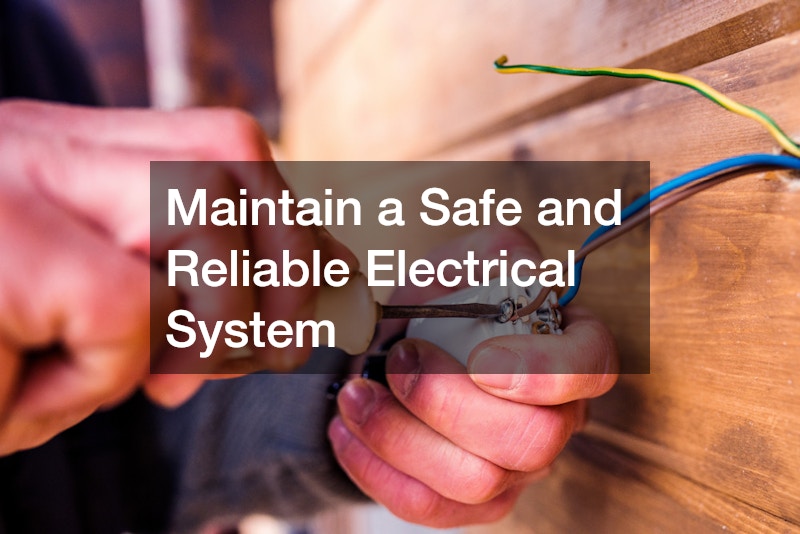
A dependable electrical system is essential for lighting, appliances, electronics, heating and cooling equipment, and countless other household functions. Because electrical problems can pose serious safety risks, homeowners should take unusual behavior seriously rather than attempting complex repairs themselves.
Warning signs can include flickering lights, frequently tripped breakers, buzzing sounds, warm outlets or switches, burning odors, damaged cords, or outlets that do not work properly. These issues can have different causes and may require professional evaluation.
Electricians can inspect electrical systems and determine whether components need repair, replacement, or upgrading. Professional electrical work can also help ensure that installations comply with applicable requirements and are completed safely.
Homeowners can take simple preventative steps, such as avoiding overloaded outlets, replacing damaged cords, keeping electrical equipment away from water, and using appropriate extension cords when necessary. It is also useful to know where the electrical panel is located and which breakers control different areas of the home.
If a circuit breaker repeatedly trips, simply resetting it without investigating the underlying cause may not solve the problem. Repeated trips can indicate that a circuit is overloaded or that there is another electrical issue requiring attention.
Address Electrical Issues Before They Become Hazards
Electrical maintenance is not limited to responding to obvious failures. Some electrical problems develop gradually and may not be immediately apparent. Older wiring, outdated components, damaged connections, or improperly installed equipment can create concerns that are best identified through professional inspection.
An electrician service can be useful when homeowners notice persistent electrical issues, plan renovations, add major appliances, or need new fixtures and outlets installed. Professional assistance is especially important for work involving wiring, electrical panels, circuits, or other components that require specialized knowledge.
Homeowners considering a renovation should think about electrical needs before construction begins. A kitchen remodel, finished basement, home office, workshop, or addition may require additional outlets, lighting, or circuits. Planning these requirements in advance can help avoid inconvenient changes later.
Electrical safety also involves recognizing when a do-it-yourself project has exceeded a homeowner’s capabilities. Replacing a light bulb or performing another simple task may be manageable, but more involved electrical work can create risks if completed incorrectly.
Prompt attention to electrical concerns can help protect both the property and the people living in it. If something about the electrical system seems unusual, professional evaluation is often the safest approach.
Direct Rainwater Away From Your Home
Gutters and downspouts help control rainwater as it leaves the roof. When they are clogged, damaged, or improperly positioned, water can accumulate near the foundation, overflow onto siding, damage landscaping, or contribute to moisture problems.
Gutter services can include cleaning, inspections, repairs, and replacement. Homeowners should periodically check for sagging sections, separated joints, rust, cracks, loose fasteners, and other visible damage. Gutters should also be cleared of leaves and other debris so water can flow properly.
Downspouts are equally important. They should direct water away from the home’s foundation rather than releasing it directly against the structure. If water consistently pools near the foundation after rainfall, the drainage system may need to be evaluated.
Gutter maintenance can be particularly important in areas surrounded by mature trees. Leaves, twigs, and other debris can accumulate quickly and prevent water from moving through the system.
Homeowners should also consider gutter condition after major exterior improvements. Roofing work can affect drainage patterns, and changes to landscaping or grading may alter where water flows around the property. Keeping the entire drainage system working together can help protect the home from unnecessary moisture exposure.
Maintain a Durable and Attractive Exterior

Siding serves both practical and aesthetic purposes. It contributes to the appearance of the home while helping protect exterior walls from weather conditions. Damaged, cracked, warped, or deteriorating siding can allow moisture to reach areas that are not designed to remain exposed to water.
Siding services can include inspections, repairs, cleaning, maintenance, and replacement. The appropriate solution depends on the material and extent of the damage. In some cases, a localized repair may be sufficient, while widespread deterioration may justify replacing larger sections or the entire siding system.
Homeowners should look for signs such as loose panels, discoloration, cracks, holes, warping, peeling finishes, or evidence of moisture intrusion. Areas around windows, doors, corners, and other transitions may deserve particular attention because they can be vulnerable to water infiltration.
Maintaining siding can also improve curb appeal. Cleaning appropriate siding materials and addressing visible damage can make the exterior look better without requiring a complete renovation. If replacement becomes necessary, homeowners can consider different materials, colors, and styles to complement the roof, windows, doors, and other exterior features.
Because siding contributes to the home’s weather protection, repairs should not be treated as purely cosmetic. Addressing damage promptly can help maintain the exterior envelope and reduce the chance that moisture will reach underlying materials.
Maintaining and repairing a home is an ongoing responsibility, but it does not have to become overwhelming. A consistent approach can help homeowners identify problems earlier, protect important systems, and keep everyday living more comfortable. Paying attention to changes in performance, visible damage, unusual sounds, leaks, and other warning signs can make it easier to determine when a system needs attention.
Ultimately, good home maintenance is about being proactive. Instead of waiting until a small issue becomes an emergency, homeowners can inspect their property regularly, schedule appropriate maintenance, and address concerns as they arise. With a practical maintenance routine and timely repairs, you can help preserve your home’s condition, protect your investment, and create a safer, more comfortable place to live for years to come.